Source Grout in Soffit Anchor for Ventilated Facades, Stone, and Concrete
Compare 30 grout in soffit anchor options from Chinese manufacturers for ventilated facades, stone, and concrete applications. Buyers can review stainless steel grades, sizes, and certifications like ISO and SGS before requesting quotes.
Key considerations
Products List


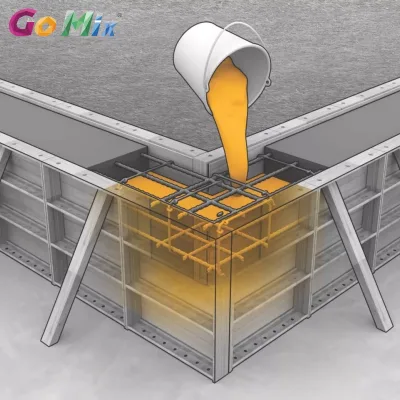


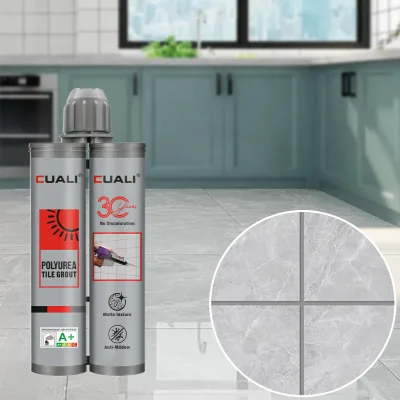
Comprehensive Sourcing Guide
Strategic Sourcing Guide for Grout in Soffit Anchor Systems
Understanding the Product Category and Technical Definitions
The term "grout in soffit anchor" refers to a specialized fastening system designed for securing structural or decorative elements to the underside of concrete slabs, beams, or other overhead surfaces. In the context of B2B procurement, this category often encompasses a broader range of anchoring solutions, including pipe anchors, Israel anchors, and concrete anchors, which are frequently utilized in ventilated facade systems and industrial construction projects. The core functionality relies on the interaction between a mechanical anchor and a chemical or cementitious grout to distribute load and prevent pull-out failure in concrete substrates.
Buyers must distinguish between the mechanical anchor component and the grouting material itself. The product data indicates that the anchor systems are available in specific diameters ranging from 6mm to 24mm, with lengths extending from 80mm to 400mm. Some variations allow for customized lengths based on project requirements, while others adhere to standard dimensions such as 12-18mm for pipe anchors. The material composition is critical for durability; the primary material specified is stainless steel, with grades 304 and 316 being the standard options. Grade 316 is particularly relevant for environments with high corrosion risks, such as coastal areas or industrial zones with chemical exposure.
The surface treatment of these anchors is a vital technical attribute. The available data confirms that surface treatment is applied, with a specific finish described as "polish." This polishing process is not merely aesthetic; it reduces friction during installation and enhances the bond between the anchor and the grout. The application field is diverse, covering stone, ceramic, concrete, and crystal glass, indicating that these systems are versatile enough for both heavy structural loads and delicate decorative installations.
Compliance, Certification, and Standard Verification
In the construction and industrial sectors, compliance is non-negotiable. When sourcing grout in soffit anchor systems, buyers must verify that the supplier possesses valid certifications that align with international and regional standards. The observed product data highlights several key certifications, including ISO, CE, ISO9001, and SGS. These are not merely marketing claims but essential indicators of a manufacturer's quality management systems and product reliability.
ISO9001 certification confirms that the supplier adheres to a recognized quality management framework, ensuring consistent production processes. The CE mark indicates conformity with health, safety, and environmental protection standards for products sold within the European Economic Area. SGS certification, both as a company certificate and a product third-party certificate, provides an independent verification of the product's material composition and performance characteristics.
Regarding technical standards, the data references specific compliance requirements. For cementitious grout components, the product must comply with Jc/T 986-2018 Cementitious Grout standards. This standard dictates the physical and mechanical properties required for grout used in construction, ensuring it meets the necessary strength and durability criteria. Additionally, specific product models are associated with standards such as "PIPE ANCHOR 12-18mm" and "ISRAEL PIPE ANCHOR," which buyers should cross-reference with their local building codes.
Buyers should also verify the "Meet The Standard" attribute for any cementitious grout used in conjunction with these anchors. The data notes a shelf life of six months for the grout, which must be stored in a dry and cool place to maintain its efficacy. Failure to verify these standards can lead to structural failures or rejection of the project by local authorities.
Cost Drivers and Pricing Dynamics
The pricing of grout in soffit anchor systems is influenced by several factors, including material grade, customization, and order volume. The observed price range in the market spans from $0.01 to $160 per unit, reflecting the vast difference between small, standard components and large, customized assemblies. The primary cost driver is the material grade; stainless steel 316 is significantly more expensive than 304 due to its superior corrosion resistance and higher nickel content.
Order volume plays a pivotal role in unit pricing. The Minimum Order Quantity (MOQ) varies widely, with observed ranges from 1 to 5000 pieces. Some suppliers set an MOQ of 5000 pieces for standard items, while others may require 1000 meters or 1000 pieces for specific models. Customization, such as non-standard lengths or specific diameters, typically increases the cost due to the need for dedicated production runs and tooling adjustments.
Packaging and logistics also contribute to the final landed cost. The standard packaging involves carton packing followed by placement on wood pallets or plywood cases. This robust packaging is necessary to prevent damage during transit, especially for heavy or long items. Buyers should consider the delivery terms, which include FOB, CNF, CIF, and EXW, as these terms dictate who bears the cost and risk of shipping. For international procurement, understanding the Incoterms is essential for accurate budgeting.
Typical Applications and Performance Requirements
The versatility of grout in soffit anchor systems allows them to be deployed in a wide array of applications. The data identifies specific use cases such as ventilated facade tiles, industrial construction, commercial construction, and decorative concrete. In ventilated facade systems, these anchors secure the backing structure to the building's concrete core, allowing for an air gap that improves thermal efficiency and moisture management.
For industrial and commercial construction, the anchors must withstand high loads and dynamic forces. The product attributes mention "High-Strength Concrete" and "Cement Mortar" as related materials, suggesting that the anchors are designed to work in conjunction with high-performance grouts. The setting time is described as "Fast-Setting," which is crucial for construction schedules where rapid installation and early load-bearing capacity are required.
The functional requirements for these systems include wear resistance, rot proofing, moisture proofing, and antistatic properties. These attributes ensure longevity in harsh environments. The color of the grout is typically gray, which is standard for cementitious products, but the anchor itself is often left in its natural stainless steel finish or coated depending on the specific project aesthetic. The special additives in the grout, such as fiber-reinforced, corrosion-inhibiting, and air-entrained components, further enhance the performance of the anchor system by improving bond strength and durability.
Supplier Evaluation and Sourcing Strategy
Evaluating suppliers for grout in soffit anchor systems requires a rigorous approach that goes beyond price comparison. Buyers should prioritize suppliers who demonstrate a clear understanding of the technical specifications and can provide comprehensive documentation. The origin of the products is listed as China, which is a major manufacturing hub for construction hardware. However, the location of the factory and the supplier's logistical capabilities are critical factors.
Key evaluation criteria include the supplier's ability to provide third-party test results and certificates. The presence of SGS and ISO certifications is a positive indicator, but buyers should request copies of the actual certificates and verify their validity. The supplier's capacity for customization is another important factor. Since the data indicates that sizes and lengths can be customized, the supplier must have the flexibility to accommodate specific project requirements without compromising quality.
Payment terms are another aspect of supplier evaluation. The observed terms include TT (Telegraphic Transfer) or LC (Letter of Credit) at Sight. Buyers should assess their own cash flow and risk tolerance when selecting a payment method. For large orders, an LC at Sight offers more security, while TT may be preferred for smaller, repeat orders to streamline the process.
Quality Control and Inspection Protocols
Quality control is essential to ensure that the grout in soffit anchor systems meet the required performance standards. Buyers should implement a multi-stage inspection process that includes pre-production, during-production, and pre-shipment inspections. Pre-production inspections should verify that the raw materials, such as stainless steel 304 or 316, match the specified grades. During-production inspections should monitor the surface treatment and polishing processes to ensure consistency.
Pre-shipment inspections are critical for verifying the final product dimensions, packaging, and documentation. Buyers should check that the product models, such as JINF-MFA004, DZFIXINGS095, VTSFS-17, and VTG, match the order specifications. The packaging should be inspected to ensure that the carton boxes and pallets are secure and suitable for long-distance shipping.
For cementitious grout, quality control must also include checks on the shelf life and storage conditions. The data specifies a shelf life of six months, and buyers should ensure that the products delivered are well within this window. Testing for compliance with Jc/T 986-2018 should be conducted on a sample basis to verify the grout's mechanical properties.
Long-Term Procurement Considerations
Sourcing grout in soffit anchor systems is not a one-time transaction but a long-term partnership that requires ongoing management. Buyers should consider the supply chain resilience of their suppliers, especially given the global nature of the construction industry. The ability of the supplier to maintain consistent quality and delivery times is crucial for project success.
Future-proofing the procurement strategy involves staying updated on changing standards and regulations. As building codes evolve, the requirements for anchor systems and grout may change. Buyers should work with suppliers who are proactive in adapting to these changes and can provide updated certification and compliance documentation.
Sustainability is also becoming a key consideration in procurement. Buyers should inquire about the environmental impact of the manufacturing process and the recyclability of the materials. Stainless steel is a recyclable material, and suppliers who emphasize sustainable practices may offer a competitive advantage in the long run.
Finally, the relationship with the supplier should be built on clear communication and mutual trust. Establishing a framework for regular reviews and feedback can help identify and resolve issues before they impact project timelines. By focusing on technical compliance, quality assurance, and supplier reliability, buyers can ensure the successful procurement of grout in soffit anchor systems that meet the demanding requirements of modern construction projects.
FAQs
What certifications do grout in soffit anchor systems typically have?
These systems typically hold ISO, CE, ISO9001, and SGS certifications. Buyers should verify both company and product third-party certificates to ensure compliance with international quality standards before placing orders.
Which material grades are available for these anchor systems?
Stainless Steel 304 and 316 are the standard material grades available. Grade 316 offers superior corrosion resistance, making it suitable for harsh environments like coastal areas or industrial zones with chemical exposure.
How can I find anchors with customized dimensions?
Customized lengths and diameters are available according to specific project requirements. Buyers can request sizes ranging from 6mm to 24mm in diameter and 80mm to 400mm in length to match their unique structural needs.
What is the minimum order quantity for these products?
The minimum order quantity varies between 1000 pieces and 5000 pieces depending on the supplier and model. Some specific models may require 1000 meters, so buyers must confirm the exact MOQ before purchasing.
Can I get fast-setting cementitious grout for these anchors?
Yes, fast-setting cementitious grout is available for these anchor systems. This grout complies with Jc/T 986-2018 standards and features special additives like fiber-reinforcement and corrosion inhibitors for enhanced performance.
How are these anchor systems packaged for shipping?
Products are typically packed in carton boxes placed on wood pallets or plywood cases. This robust packaging ensures the anchors remain undamaged during transit, especially for heavy or long items shipped internationally.